Cute Rabbit Letter T: A Designer’s Review
As an embroidery designer who has spent years digitizing and reviewing files for commercial use, I approach every new machine embroidery design with a critical eye. It is not enough for a file to look cute on a screen; it must perform under the needle, withstand washing, and elevate the brand it represents. Recently, I evaluated Cute Rabbit Letter T, a whimsical addition to the Back To School category, to determine its viability for small business merchandise and branded applications. This review focuses on how this specific Embroidery asset translates from a digital file into a tangible business tool.
First Impressions: Whimsy Meets Professionalism
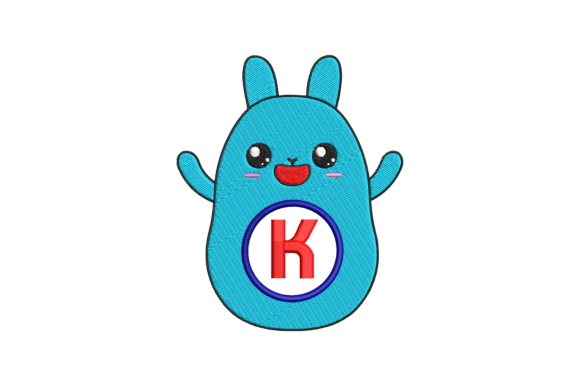
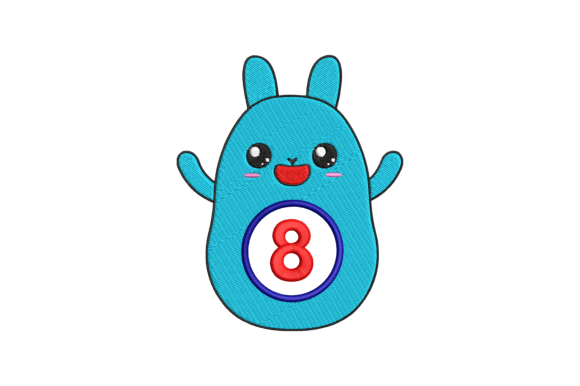
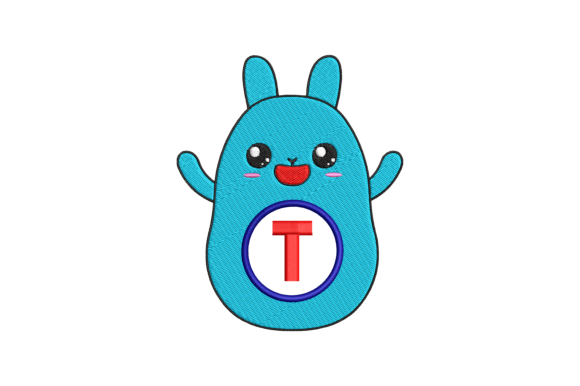
The immediate visual impact of Cute Rabbit Letter T is one of approachable charm. The description promises to "embellish your fabrics with this lovely embroidery design," and indeed, the integration of a rabbit motif with the letter 'T' creates a playful yet structured aesthetic. For a professional embroiderer, the balance between decorative elements and legibility is crucial. This design leans heavily into a friendly, handmade vibe, making it ideal for brands that want to project warmth and creativity.
However, "cute" can sometimes translate to "childish" if not handled correctly in production. My initial assessment suggests that this design works best for businesses targeting families, children, or lifestyle sectors that value softness and nostalgia. It does not scream corporate rigidity, which is a strength for boutique brands but a potential limitation for strictly formal uniforms. The key lies in execution: thread choice and fabric selection will dictate whether this looks like a premium custom piece or a generic craft project.
Real-World Applications for Small Business Merch
For Etsy sellers, handmade brands, and local boutiques, versatility is king. Here is how Cute Rabbit Letter T performs across various commercial applications:
- Branded Patches: This is perhaps the strongest use case. Creating an embroidered patch allows businesses to add a removable brand element to jackets, bags, or hats. The rabbit motif provides a unique silhouette that stands out even at a distance, enhancing brand identity without requiring full-frontal logo placement.
- Apron Embroidery: For bakeries, florists, or creative studios, staff aprons are walking billboards. Stitching this design on the chest pocket area adds a touch of personality. It signals to customers that the business values detail and charm, directly influencing customer trust and perceived service quality.
- Tote Bag Design: Canvas totes are staples for small business merch. The whimsical nature of the rabbit letter pairs perfectly with the casual utility of a tote. It transforms a simple bag into a desirable accessory, increasing the perceived value of the finished product.
- Cap Embroidery: While tricky due to curvature, a simplified version of this design could work on the side panel of a cap rather than the front. It offers a subtle branding opportunity for staff or loyal customers, contributing to a cohesive look.
- Back To School Collections: Given its category, this design is a natural fit for seasonal campaigns. Personalized items featuring initials are huge sellers during this period. Using the 'T' as a template, businesses can create a full alphabet series, driving repeat purchases from parents and students alike.
Technical Considerations and Production Notes
Before running this digital embroidery file on a production machine, several technical factors must be addressed to ensure a high-quality result. The product description notes that the design comes with multiple formats, but it cuts off before specifying exact details. Therefore, I strongly advise readers to verify the hoop size requirements and stitch count before purchasing.
Stitch Density and Fabric Texture
Whimsical designs often feature satin stitches for outlines and fill stitches for larger areas. If the stitch density is too high, the fabric may pucker, especially on lighter materials like cotton towels or thin pillowcases. Conversely, if the density is too low on heavy fabrics like denim or canvas, the backing might show through. Always test on the actual fabric texture you intend to use. For textured fabrics like terry cloth towels, a cut-away stabilizer is non-negotiable to prevent distortion.
Thread Colors and Contrast
The success of Cute Rabbit Letter T relies heavily on thread colors. A monochromatic look (e.g., white on white) can look elegant and premium but may lack visibility. For maximum brand recognition, choose contrasting colors that align with your brand palette. However, avoid neon threads unless specifically aiming for a retro or youthful aesthetic, as they can detract from the "lovely" charm described in the product info.
Size Limitations
Detail loss is a common issue when scaling down complex designs. If you plan to use this as a small chest logo on a polo shirt, ensure the rabbit’s features remain distinct. If the details merge into a blob at smaller sizes, consider simplifying the design or restricting its use to larger items like pillows and tote bags where the scale can be maintained.
Impact on Brand Identity and Customer Engagement
In the world of commercial embroidery, consistency is key. Using a cohesive set of design assets helps build a recognizable brand identity. Cute Rabbit Letter T contributes to a narrative of care and craftsmanship. When customers see a well-executed embroidered item, they perceive higher value compared to printed alternatives. This perception justifies higher price points and fosters loyalty.
Furthermore, handmade products with unique embroidery stand out in a saturated market. An embroidered patch or custom apron serves as a conversation starter. It invites engagement, whether in a physical store or through social media unboxing videos. By integrating this design into your custom apparel or home decor line, you are not just selling a product; you are selling an experience of warmth and personalized attention.
Practical Steps for Implementation
To maximize the potential of this design, follow these practical steps before full-scale production:
- Create a Printable Mockup: Use digital tools to visualize the design on various products. This helps in marketing and client approval before any thread is wasted.
- Test on Scrap Fabric: Run a test stitch-out using your intended stabilizer and thread. Check for puckering, thread breaks, or registration issues.
- Verify Licensing: Ensure the license terms allow for commercial use. Most digital files do, but it is critical to confirm this to protect your business legally.
- Compare with Other Assets: Place Cute Rabbit Letter T alongside your existing logos and designs. Does it complement them? Does it maintain visual consistency?
- Check Washing Durability: Wash and dry the test sample multiple times. Ensure the threads do not bleed or fray, which is essential for items like towels and uniforms that undergo frequent laundering.
In conclusion, Cute Rabbit Letter T is a versatile and charming asset for small business owners looking to add a personal touch to their merchandise. While it requires careful technical handling regarding stitch density and fabric choice, its potential to enhance brand identity and customer engagement is significant. By treating it as a strategic business tool rather than just a decorative element, embroiderers can create high-value products that resonate with their target audience.