March Calligraphy: A Designer’s Review
As an embroidery designer who spends countless hours digitizing and testing fonts for seasonal collections, I am always on the lookout for typefaces that bridge the gap between legibility and artistic flair. When I first encountered March Calligraphy on Creative Fabrica, my immediate thought was not just about the aesthetic, but about its potential utility in a busy shop environment. We are often planning months ahead, looking for designs that can transition from early spring freshness into the warmth of summer, or even serve as elegant accents for year-round personalized gifts. This review explores how this specific machine embroidery design fits into a practical, profit-driven workflow for Etsy sellers, craft fair vendors, and handmade gift makers.
First Impressions: Elegance Meets Versatility
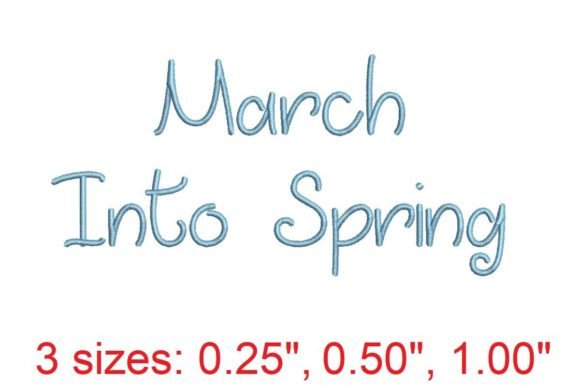
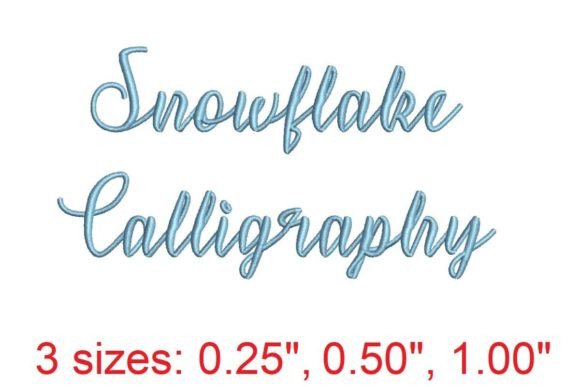
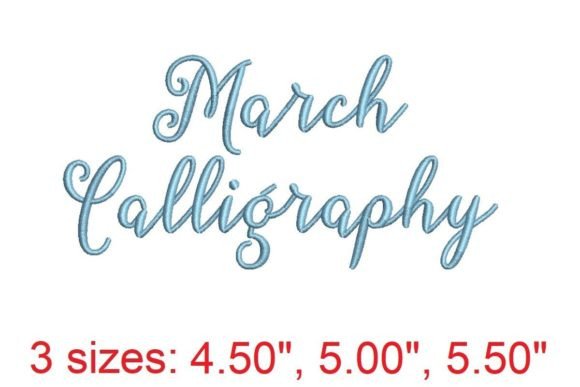
The initial visual impact of March Calligraphy is one of refined sophistication. Unlike some script fonts that lean heavily into playful or rustic territories, this design offers a clean, flowing structure that feels both modern and timeless. For a designer, this is crucial. A font that is too trendy may have a short shelf life, but a calligraphic style with balanced proportions can remain a staple in your digital embroidery file library for years. The strokes appear smooth, suggesting that the digitization prioritizes fluid motion, which is essential for maintaining the integrity of cursive lettering during high-speed stitching.
In the context of seasonal embroidery, March Calligraphy carries a mood that is fresh and uplifting. It does not scream "holiday" in the traditional sense of red and green, but rather evokes the gentle renewal of spring. This makes it an ideal candidate for Easter projects, Mother’s Day gifts, and bridal shower favors. However, its elegance also allows it to pivot seamlessly into Back To School collections, particularly for higher-end apparel like teacher appreciation gifts or monogrammed backpacks where a touch of class is desired over cartoonish graphics.
Strategic Applications for Holiday and Seasonal Sales
When building a seasonal shop collection, versatility is key to maximizing return on investment. Here is how I envision integrating March Calligraphy into various product lines:
- Sweatshirt Embroidery: The flowing nature of the font looks stunning across the chest of a crewneck sweatshirt or on the sleeve cuff. For holiday embroidery, pairing this script with a simple graphic element can create a premium look that justifies a higher price point.
- Tote Bag Design: Canvas totes are perennial bestsellers. Using March Calligraphy for personalized names or inspirational quotes adds a boutique feel. The contrast of elegant script against the rugged texture of canvas fabric creates a visually appealing juxtaposition that customers love.
- Kitchen Towel Embroidery: For home decor, this font is perfect for flour sack towels. Whether it is for a housewarming gift or a wedding present, the delicate lines of the calligraphy complement the softness of the fabric. It is important here to ensure the stitch density is appropriate so the towel remains absorbent and flexible.
- Pillow Covers and Home Decor: Monogrammed pillow covers are a huge market for personalized gifts. March Calligraphy provides the sophistication needed for luxury home decor items, appealing to buyers looking to elevate their living spaces.
- Embroidered Patches: Creating iron-on or sew-on patches with this font allows for easy customization. These can be sold as standalone items or used to upgrade plain denim jackets and hats, offering a low-commitment entry point for customers new to custom embroidery.
Navigating Technical Challenges in Production
While the aesthetic appeal of March Calligraphy is strong, any experienced embroidery artist knows that beauty must be backed by technical reliability. There are specific scenarios where this design requires careful handling to ensure a high-quality finished product.
Hoop Size and Lettering Scale: Calligraphic fonts often feature thin connecting strokes. If you attempt to scale March Calligraphy down too small for a tiny hoop size, these connections may break or become indistinct. I strongly advise testing the minimum readable size on your specific machine. For smaller items like baby onesies or curved caps, consider simplifying the design or using a larger hoop to maintain the integrity of the loops and tails.
Fabric Texture and Stabilizer: The performance of this embroidery file will vary significantly based on fabric texture. On thick towels or fluffy fleece, the delicate details might get lost. In these cases, using a cut-away stabilizer is non-negotiable to provide sufficient support. Conversely, on stretchy garments like athletic wear, the tension must be adjusted carefully to prevent puckering around the dense stitch areas of the thicker letter strokes.
Thread Colors and Contrast: Because this is a script font, contrast is vital. Using metallic thread can add a festive touch for holiday embroidery, but it requires slower stitching speeds and careful tension management to avoid shredding. I recommend testing thread colors on both light and dark fabrics before listing items for sale. A subtle tone-on-tone look might look elegant in person but disappear in online product mockups, hurting your conversion rates.
Enhancing Brand Value and Customer Trust
For small business owners and Etsy sellers, the choice of font contributes significantly to brand consistency. March Calligraphy exudes a sense of professionalism and care. When customers see well-executed calligraphy on a personalized gift, it signals quality. This emotional connection can lead to higher customer trust and repeat business. During peak shopping periods, such as the holidays or the back-to-school rush, having a reliable, elegant font in your arsenal allows you to produce high-volume items without sacrificing the perceived value of the product.
Furthermore, this design lends itself well to creating printable mockups and social media previews. The clean lines photograph beautifully, allowing you to create compelling marketing materials that highlight the intricacy of the stitch work. This visual recognition helps your listings stand out in a crowded marketplace, drawing the eye of shoppers looking for something special rather than generic.
Practical Notes for the Embroidery Designer
Before adding March Calligraphy to your commercial embroidery lineup, take these practical steps:
- Check Licensing: Always review the Creative Fabrica product details and licensing terms. Ensure that the license covers the volume of sales you anticipate, especially if you are selling finished physical products.
- Verify File Compatibility: Confirm that the digital embroidery file includes the formats compatible with your specific machine brand. Do not assume universal compatibility; check the download package carefully.
- Test Stitch Density: Run a test stitch on scrap fabric similar to your final product. Check for pull compensation and underlay sufficiency. Adjust your machine settings if necessary to handle the transitions between thick and thin strokes.
- Plan Color Palettes: Develop a set of recommended thread color palettes that complement the font. Offering suggested color combinations in your product descriptions can help customers visualize the final result and reduce decision fatigue.
In conclusion, March Calligraphy is a valuable addition to any embroidery designer’s toolkit. Its blend of elegance and versatility makes it suitable for a wide range of applications, from high-end apparel to cozy home decor. By understanding its technical requirements and leveraging its aesthetic strengths, you can create stunning seasonal embroidery products that resonate with buyers and enhance your brand’s reputation for quality and style.